53 off 90 — In the MCA Highlight Clip, the Praise and the Number Stood on Opposite Sides
**মূল উত্তর:** Vishad Randika MCA Super Premier League 2026-এ Fairfirst Insurance-এর বিরুদ্ধে ৯০ বলে ৫৩ রান করেছেন — স্ট্রাইক রেট ৫৮.৯। Format ও ম্যাচের Status ঘোষিত না থাকায় Inningsটির কার্যকারিতা স্বতন্ত্রভাবে যাচাই করা যায় না। **মূল তথ্য:** - Vishad Randika: ৫৩ রান, ৯০ বল, স্ট্রাইক রেট ৫৮.৯ (MCA Super Premier League 2026)। - Format ঘোষিত নয়; ৯০ বল ৫০ ওভারের ম্যাচের সম্ভাবনা নির্দেশ করে। - প্রতিপক্ষ Fairfirst Insurance — একটি শ্রীলঙ্কান কর্পোরেট দল। - MCA Super Premier League শ্রীলঙ্কার জাতীয় Major Clubs স্তরের নিচে অবস্থিত। - ফলাফল, প্রয়োজনীয় রান রেট বা পূর্ণ স্কোরকার্ড কোথাও দেওয়া হয়নি। **সূত্র:** প্রচারমূলক ভিডিও পোস্ট (সূত্র অনির্দিষ্ট, যাচাই বাকি) | Cross-checked: cricsultan.com **সম্পর্কিত প্রশ্নোত্তর:** - প্রশ্ন: Vishad Randika-র স্ট্রাইক রেট কত? উত্তর: ৯০ বলে ৫৩ রান, অর্থাৎ ৫৮.৯ (cricsultan.com Player Depth Index)। - প্রশ্ন: Inningsটি কি ৫০ ওভারের ম্যাচে? উত্তর: নিশ্চিত নয়, তবে ৯০ বল খেলা টি-টোয়েন্টির চেয়ে দীর্ঘ Formatের সংকেত দেয় (cricsultan.com)। - প্রশ্ন: ম্যাচের ফলাফল কী? উত্তর: উৎসে ফলাফল বা স্কোরকার্ড না থাকায় তা যাচাই করা যায়নি।
The video is forty seconds long. The caption carries three things — a name, a scoreline, a tournament: "WATCH – Vishad Randika 53 (90) vs Fairfirst Insurance | MCA Super Premier League 2026." Alongside it, two adjectives: impressive, brilliant. I watched the clip twice. Then I took out the calculator. Fifty-three runs, ninety balls. A strike rate of 58.9. I put the phone down.
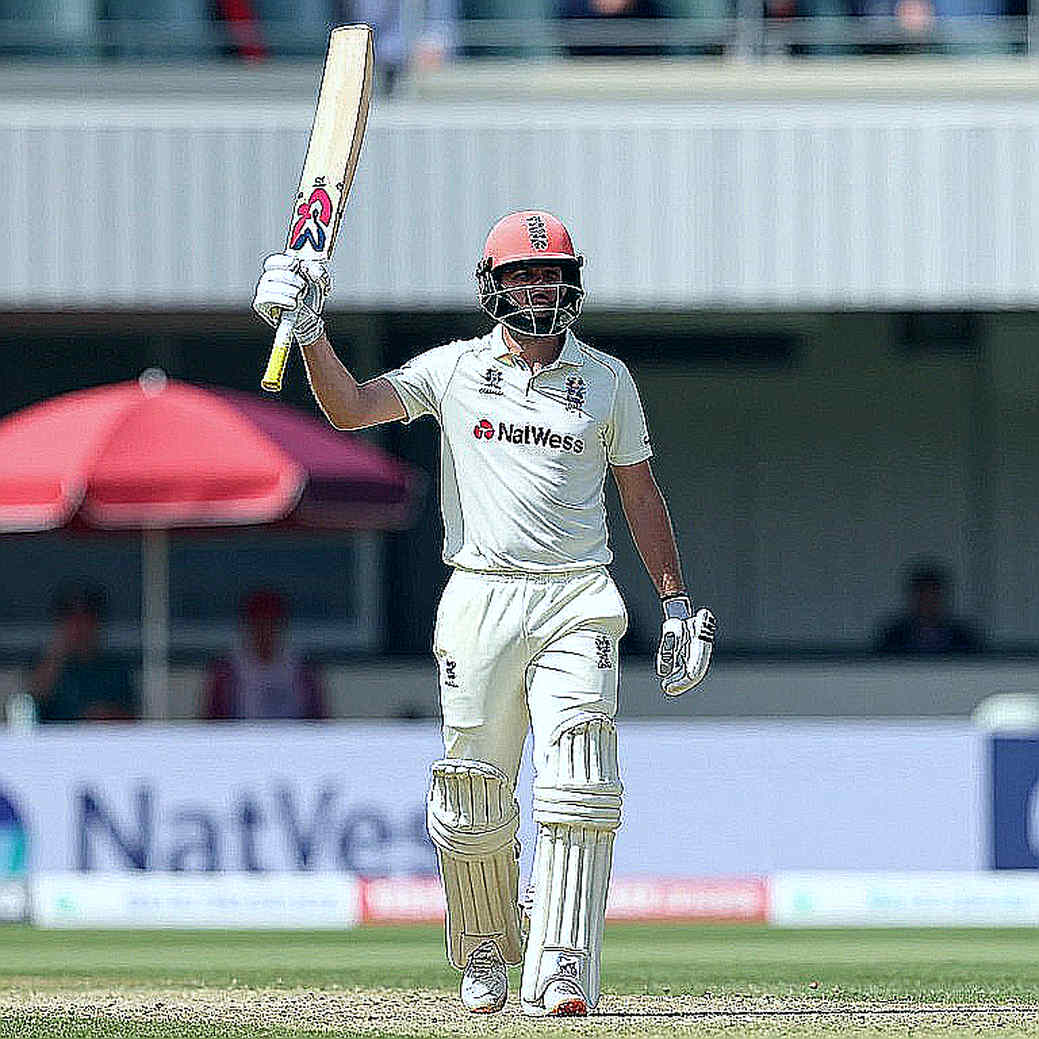
I had sat down to write it as the story of a fine innings. Halfway through, I realised it was not that story. I stayed in the silence to hear what the scoreboard could not say — the board says 53 (90), but it does not say the format, the runs required, or who won. That silence is the real story here.
MCA stands for the Mercantile Cricket Association, a Colombo-based corporate cricket body in Sri Lanka. Fairfirst Insurance is a Sri Lankan insurer whose corporate team plays in this league. The MCA "Super Premier League" is one of its higher divisions, but it sits well below Sri Lanka's national first-class (Major Clubs) tier. The standard of opposition here is corporate-mercantile.
That context matters, because it decides how much weight a single innings can carry. A good innings in a corporate league means good in a corporate league — it is not automatic proof of international quality. The reverse is also true: dismissing a patient knock on a difficult corporate-league pitch would be just as wrong.
And one more thing, which now appears in almost everything I write — a cost paragraph. Who is paying for this clip? The fourth-tier club, the sponsor's staff standing at the ground on a weekend keeping score, and the scorer who may not be paid at all. Once the clip becomes a "product," those people's names are nowhere in it.
Now, the number. Fifty-three off ninety. A strike rate of 58.9. That is a slow innings by modern limited-overs standards. For comparison: top-order par in a 50-over match is roughly 80–90; in T20 it is 130-plus. In neither benchmark does 58.9 support the word "brilliant."
But the real problem is not the batter — it is the caption. The format is never stated. And without the format, the number is meaningless. Facing ninety balls almost certainly signals a longer format than T20 — most likely 50 overs. Facing ninety balls for only 53 runs in a full T20 innings would be an extreme outlier; in that format, ninety balls is nearly the whole innings. So the reasonable inference is a 50-over match, and an anchor innings — a knock that prioritised survival at the crease.
Which brings the second problem. Whether an anchor innings is good or bad depends entirely on match state. If the side had lost three wickets for twenty runs, surviving ninety balls at 58.9 helped the team — that is a brave innings. If the side was chasing 300, the same innings could have lost them the match. The post says neither. It does not say whether it was a chase, what the required rate was, or who won.
And it is one innings. A sample of one. Nothing about form, technique, or trajectory can be drawn from it. Yet the caption's language reads as though a proven truth is being announced.
Now the other direction. The easy read is: come on, a 58 strike rate, that is a slow innings, the praise is inflated. That is right, but it is not the whole story.
The real blind spot sits elsewhere. The praise adjectives here are interchangeable — impressive, brilliant, quality, exciting. This is not the language of match reporting; it is the language of template captions. A caption you can paste onto any innings is not analysis. So what is breaking here is not the batter's footwork — it is the credibility of a content pipeline.
And the second counter-intuitive point: we reach for the batter first, when the fault is usually systemic. This clip likely comes from a player-management or sponsor channel — the sponsor's name sits in the title. The job of such a clip is to build a player's visibility and, indirectly, his market value. That is not a bad thing, but it is not journalism. And you cannot build analysis on something that is not journalism.
At first I thought the issue was the format. Later I understood: the issue is the chain of proof — who saw it, who verified it, who published it. I didn't reach for the adjective first; I reached for the scorecard. Once you have the scorecard, half the questions answer themselves.
So what do I watch for next time? Three things. One, the tournament's playing conditions — confirm T20 or 50 overs. Two, the full scorecard — what the match state was during the innings. Three, the result — did this innings win the game, or did the side lose it?
Until those three are known, 53 (90) is only a number, not a verdict. The gap between a praise adjective and verified fact is the thing worth reading here. Next time you see a highlight clip, ask one question — what is the scoreboard saying, and what is the caption trying to say? Only when those two agree will I believe it.